

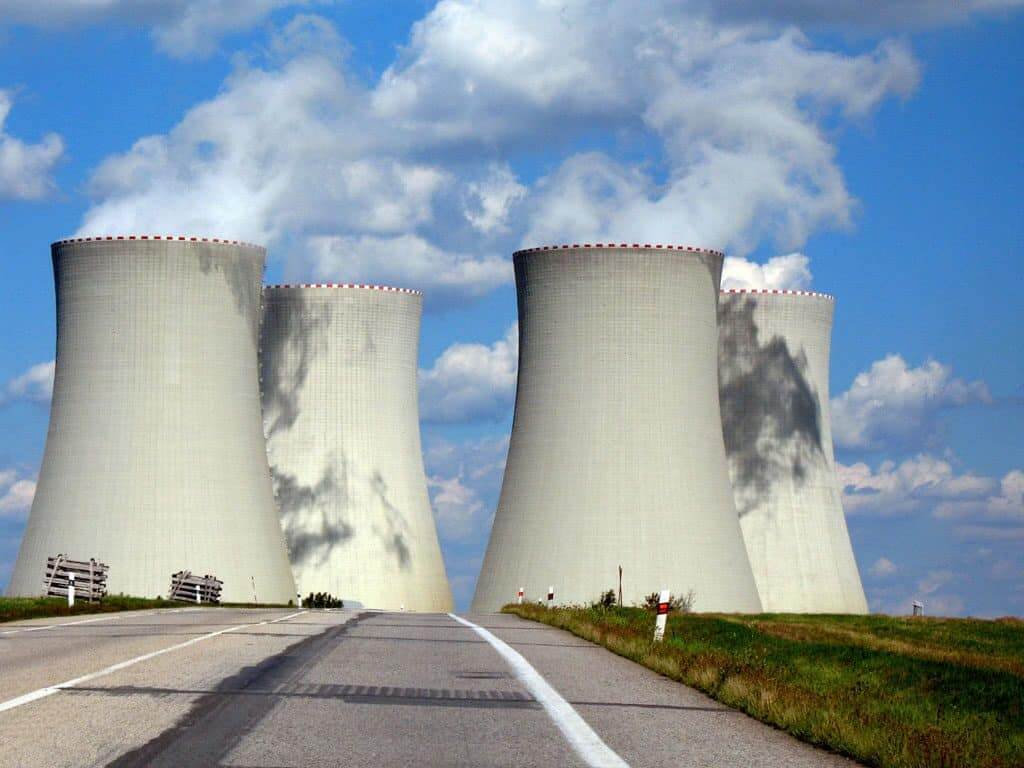
The cooling towers play a critical role in regulating the temperatures of processes used in industries, power generation plants and even large commercial buildings. It is also necessary not only to determine the efficiency of the cooling tower, but also to determine whether the water gets cooler at the outlet. It is a type of thermodynamic, airflow, and systems design. The recreational factors could be actualised to enhance the saving of energy, the life of machinery, and reduce the cost of operation.
The initial question that arises is what is key to identifying efficiency in cooling towers, why the action is important and the priorities of the human resources in determining the output of the tower.
Understanding Cooling Tower Efficiency
Put simply, the efficiency of a cooling tower indicates the effectiveness with which the tower cools hot water exiting a process and returning it to circulation. The more efficient, the nearer the cooling capacity of the tower is to the theoretical maximum, which varies with the conditions of ambient air, in particular the wet bulb temperature.
Key Parameters That Influence Performance
To accurately measure efficiency, several parameters must be tracked simultaneously. Each plays a unique role in the heat rejection process:
Wet Bulb Temperature (WBT)
This is the greatest atmospheric condition that determines the efficiency of the cooling towers. The nearer the temperature of cold water can be to the temperature of the wet bulb, the more efficient the tower. Yet it can never get its full, there is always some little gap between the approaches.
Range
The range is the change in temperature between the incoming hot water and the cooled water being discharged out of the tower. When the range is increased, it tends to indicate that the tower is cooling more heat off; however, it is also a factor of the system design and load.
Approach
The method is the difference between the cold water temperature and the ambient wet bulb temperature. When operating in the small mode, the tower is operating under its theoretical maximum efficiency.
Air Flow Rate
Cooling towers have a large air mass flowing through the tower; hence, volume and speed determine the efficiency mostly, since the machine uses the concept of evaporative cooling. Any obstruction or impaired fan functioning may lead to an immediate decrease in cooling capacity.
Water Circulation Rate
Provided that the rate of water flow is excessive, only a limited amount of contact with air by the tower can take place, which means that only minimal cooling can occur. It is necessary to maintain an optimal flow rate.
Common Factors That Reduce Cooling Tower Efficiency
Even properly designed systems may not withstand the wear, scaling, and the environment to remain efficient over time. The most common causes are:
- Scaling and fouling of the fill media reduce the surface area of the heat transfer.
- Water distribution is poor, which causes uneven cooling..
- Wet climate reduces the efficiency of evaporation.
Consistent inspection, cleaning, and maintenance may allow for to recovery of the lost efficiency and ensure that the cooling tower still works under the design conditions.
Measuring Efficiency in Real Operating Conditions
Theoretical formulas are also useful, but the practical performance evaluation can be achieved through testing in the field and constant monitoring. Engineers often use:
- Temperature Sensors:
Attached to the inlet and outlet points to take the appropriate temperatures of the hot and cold water.
- Psychrometric Readings
Applied to find the wet bulb and dry bulb temperature of the air around the wet bulb.
- Flow Meters:
To estimate the speed of water circulation and the deviation in load processing.
- Power Consumption Logs:
Monitoring the energy consumption of fans and pumps will allow one to conclude whether the system is using too much power to achieve the desired amount of cooling.
The combination of these measurements gives a good idea of the efficiency of the tower to reject heat based on the energy consumed.
Improving Cooling Tower Efficiency
After the measurement of efficiency, the subsequent point is in enhancement. The following are some of the pragmatic means of maximising performance:
- Keep Fill Media Clean: Keep filling in scale and algae to maintain constant heat exchange.
- Install Variable Speed Drives (VFDs): Varying speeds according to the load should help save power and weather conditions.
Conclusion
The efficiency of a cooling tower is not a one-time activity; it is a continuous process that requires proper information, regular maintenance, and environmental consciousness. Having particular parameters such as wet bulb temperature, approach, range and flow rate, operators are able to establish areas of inefficiencies and take informed corrective actions.
To organisations that want to increase the thermal performance of their companies with the advanced and low-maintenance solutions, Tower Tech assists industries in having a more sustainable and cost-effective operation.