

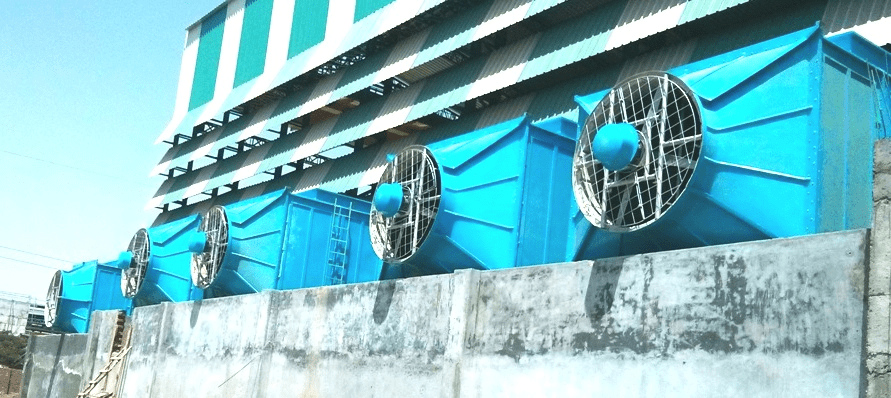
Industrial facilities all across India are battling under a constant pressure of ensuring improved workplace safety, optimal operational efficiency and lower environmental noise. Moreover, in this entire struggle, cooling tower noise reduction is often considered one of the most neglected yet crucial factors.
Because although every cross flow closed type cooling tower makes some sound during operation, excessive noise simply indicates it as a potential sign of poor installation, mechanical wear and tear, or outdated components.
And that’s exactly where identifying the real source of cooling tower noise becomes as necessary as the comprehensive solution itself. Instead of solely relying on temporary fixes, facility managers must look for effective methods that not only improve noise levels but also support long-lasting system reliability.
Let’s explore what actually works for an advanced industrial cooling tower or closed type cooling tower in this guide.
Why Does a Cross Flow Closed Type Cooling Tower Produce Noise?
A cross flow closed type cooling tower primarily consists of several moving and water-circulating components, where each can contribute differently to overall sound levels. That’s why identifying the exact source makes cooling tower noise reduction way more effective than treating the entire system as one problem.
The most common noise sources typically include:
| Noise Source | Cause | Impact |
| Fan | High blade tip speed, damaged blades | Increased cooling tower fan noise |
| Motor | Bearing wear or electrical imbalance | Continuous humming |
| Gearbox | Poor lubrication or worn gears | Mechanical vibration |
| Water Flow | Splashing or uneven water distribution | Constant water noise |
| Structural Frame | Loose supports or ageing structure | Resonance and vibration |
Why Excessive Cooling Tower Noise Should Never Be Ignored?
Continuous Cooling Tower Noise not only affects your employee’s comfort. Why so? Well, these high sound levels can indicate potential equipment imbalance, maximising stress on motors, bearings, and fan assemblies.
The result – remarkable reduction in the performance of an industrial cooling tower, along with higher maintenance costs and shorter equipment life over time. Moreover, excessive noise might also create hassles related to industrial noise compliance and local environmental regulations for facilities located near residential or commercial developments.
Cooling Tower Vibration Control: The Foundation of Noise Reduction
Cooling tower vibration control is considered one of the most overlooked aspects of cooling tower noise control. Because many facilities solely focus on lowering sound while ignoring the very vibration creating it.
Nevertheless, here’s what effective vibration control includes:
- Dynamic fan balancing
- Motor and shaft alignment
- Flexible pipe connections
- Premium-quality anti-vibration mounts
Top Cooling Tower Noise Reduction Methods That Actually Work
Here are a few cooling tower noise reduction methods:
1. Upgrade Fan Technology
Old fans usually generate excessive cooling tower fan noise due to inefficient blade design.
However, modern low-noise composite fans, on the other hand, operate at lower tip speeds while maintaining airflow, making them the most sought-after solution that improves both cooling tower noise reduction as well as energy efficiency.
2. Install Cooling Tower Acoustic Solutions
Professional cooling tower acoustic solutions offered by reliable partners, including Tower Tech, are especially designed to absorb and redirect sound without restricting airflow. Here’s what’s included in the common options:
- Acoustic louvers
- Sound attenuation panels
- Fan silencers
- Acoustic discharge hoods
Furthermore, these solutions are highly effective for facilities requiring strict industrial noise compliance.
3. Use Cooling Tower Soundproofing Where Necessary
Not every application requires full enclosure systems, as strategic cooling tower soundproofing around high-noise components can effectively lower sound transmission while keeping maintenance access seamless.
That’s why many cooling tower services typically combine soundproofing with airflow optimisation for promising results.
4. Optimise Operating Conditions
Sometimes the best cooling tower noise reduction solution simply involves changing how the equipment actually operates, for instance:
- Variable Frequency Drives (VFDs)
- Lower fan speed during low load
- Proper water distribution
These adjustments significantly boost cooling tower operational efficiency while lowering unnecessary sound generation.
5. Follow a Preventive Cooling Tower Maintenance Program
Many facilities neglect the ultimate connection between cooling tower maintenance and noise. Meanwhile, routine inspections efficiently help identify:
- Loose fasteners
- Bearing wear
- Belt deterioration
- Fan imbalance
- Gearbox lubrication issues
When Is a Cooling Tower Upgrade the Better Option?
Sometimes repeated repairs fail to deliver long-lasting cooling tower noise reduction. And that’s exactly where advanced industrial cooling tower solutions from trusted service providers like Tower Tech come into play. Here’s when you may consider an upgrade:
- Equipment is more than 15-20 years old
- Structural corrosion is extensive
- Fan systems cannot meet modern efficiency regulations
- Noise complaints continue despite repairs
Modern cross flow cooling tower designs typically incorporate improved airflow paths, advanced fan technology, and vibration-resistant structures that naturally support better cooling tower noise control.
Why Do Professional Inspections Deliver Better Results?
Professional inspections use vibration analysis, airflow testing, thermal performance evaluation, and sound level measurements to accurately identify root causes. This approach effectively helps resolve:
- Cooling tower vibration and noise problems
- Airflow restrictions
- Mechanical imbalance
- Structural resonance
- Performance losses
In addition, routine inspections also improve HVAC noise control, extend equipment lifespan, and boost cooling tower operational efficiency.
Final Thoughts
Effective cooling tower noise reduction can’t be achieved just by installing expensive sound barriers or replacing a fan. An efficient cooling tower noise control strategy requires identifying the exact source of cooling tower noise, controlling vibration, maintaining equipment regularly, and upgrading outdated components when necessary.
Therefore, whether you’re managing a manufacturing plant, commercial HVAC system, power facility, or process industry, investing in the right cooling tower noise reduction strategy can undoubtedly improve your safety, equipment reliability, energy efficiency, and regulatory compliance.
Are you also struggling with cross flow closed type cooling tower noise issues? Then, book a professional cooling tower noise assessment with TowerTech to identify the root cause and experience long-term optimal performance of your cooling system!