

Industrial facilities need to deal with the excess heat generated by machinery and HVAC systems. Managing heat effectively has become essential for maintaining productivity and reducing operational expenses. This is where a cooling tower system is needed.
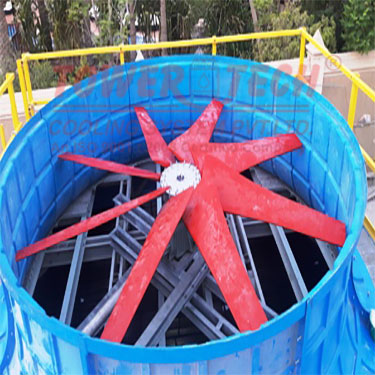
Cooling towers are used to remove unwanted heat by transferring it to the atmosphere through evaporative cooling. The most critical component of a cooling tower are its fans. Cooling tower fans regulate airflow and improve industrial cooling efficiency.
It is important to understand how cooling tower fans work because it can help businesses to improve performance and extend equipment life.
What Is the Role of a Cooling Tower Fan in Industrial Cooling?
A cooling tower fan is responsible for moving large volumes of air through the tower. There are two primary fan configurations that are mentioned below:
Induced Draft Fans
Induced draft fans sit at the top of the tower. They pull air up through the fill and discharge it out the top, which produces strong, even airflow and limits the chance of warm air getting drawn back in.
Forced Draft Fans
Forced draft fans sit at the base and push air into the tower. They handle high static pressure well and keep the motor near ground level for easier access.
The effectiveness of cooling tower fans is based on cooling tower performance and overall system reliability.
How Fan Designs Impact Cooling Tower Efficiency?
Fan Blade Design and Material
Modern cooling tower fan design focuses on maximising airflow and minimising energy consumption.
Some common blade materials are:
- Fiberglass reinforced plastic, which resists corrosion and stays light
- Aluminum, which offers strength at a moderate weight
- Advanced composites, which pair low weight with high durability
Advanced aerodynamic blade design reduces drag and improves airflow management. Optimised fan blade design allows more air to move through the cooling tower. Blade pitch sets how aggressively each blade bites into the air.
A steeper pitch moves more air but draws more power, so engineers tune the angle to suit the tower’s load. Aerodynamic blade profiles cut drag, and a well-shaped fan blade design pushes more air through the tower while burning less energy. Good blade design is the foundation of effective airflow management.
Fan Diameter and Speed
Fan diameter and rotational speed decide how much air the tower can circulate. A larger diameter moves more air at lower speed, which usually runs quieter and uses less power. Correct fan sizing is critical for reaching maximum cooling tower energy efficiency and improving fan motor efficiency.
An oversized or undersized fan forces the motor to fight the system and wastes electricity Proper fan sizing is critical for achieving maximum cooling tower energy efficiency and improving fan motor efficiency.
Key Factors That Affect Cooling Tower Fan Performance
Airflow Management and Distribution
Even airflow distribution is very necessary for efficient heat transfer. Poor airflow management can also lead to recirculation, where warm, moist discharge air is pulled back into the tower. This reduces the cooling effect and negatively impacts cooling tower performance and thermal efficiency.
Proper fan selection and system design provides consistent airflow and prevents hot air reingestion. Effective airflow management improves thermal performance and cooling capacity.
Variable Frequency Drives (VFDs) and Fan Speed Control
One of the most effective methods of improving industrial cooling efficiency is the use of a Variable Frequency Drive (VFD).
VFDs allow operators to adjust fan speed according to real-time cooling requirements rather than operating at full capacity continuously. This matters because fan power falls sharply as speed drops. At partial loads, a VFD can cut fan energy use by up to 50 percent. Operators gain several benefits:
Benefits of VFD integration are mentioned below:
- Lower electricity costs
- Reduced mechanical stress
- Extended equipment life
- Improved process control
- Enhanced cooling tower energy efficiency
How Tower Tech Optimises Cooling Tower Fan Performance
Tower Tech has established itself as one of India’s leading cooling tower manufacturers and service providers. This company specialises in delivering customised solutions to improve cooling tower optimisation.
Tower Tech’s engineering approach includes:
- High-efficiency fan systems engineered for reliable cooling tower performance
- Advanced composite fan blades that move more air with less power
- Low-noise fan technology for plants with strict sound limits
- Energy-efficient motors that lower running costs
- Custom airflow designs suited to the site
- Retrofitting and upgrading existing towers with modern fans and controls
The team also handles cleaning, structural repairs, spare parts, and routine servicing. Together, these services cut operating costs, improve cooling tower performance, and extend equipment life. These services help industries reduce operating costs, improve cooling tower performance, and extend equipment life.
Cooling Tower Fan Maintenance: Keeping Performance at Its Peak
Routine Inspection and Preventive Maintenance
Regular maintenance keeps a cooling tower running at peak efficiency. Over time, blades collect dirt and erode, bearings dry out, and pitch angles drift, and each of these quietly raises energy use.
Tower Tech provides routine servicing that helps clients to maintain consistent operating conditions and maximise cooling system performance.
Signs Your Cooling Tower Fan Needs Attention
Several indicators that suggest cooling tower fans require maintenance are mentioned below:
- Excessive vibration or unusual noise
- Reduced airflow and cooling performance
- Increased energy consumption
- Motor overheating
- Irregular thermal output
Addressing these issues prevents costly breakdowns and helps maintain optimal industrial cooling efficiency.
The Energy Efficiency Advantage of Modern Cooling Tower Fans
Upgrading to modern cooling tower fans delivers more than heat removal. Efficient fan systems lower running costs and support wider business goals.
Energy-efficient fan systems contribute to:
- Lower electricity consumption
- Reduced carbon emissions
- Increased equipment lifespan
- Reduced maintenance requirements
- Compliance with energy efficiency standards
- Improved operational reliability
Industrial cooling towers generally achieve efficiency levels of approximately 70 to 75 percent, which makes them highly effective heat rejection systems.
Pairing a well-designed fan with a VFD and steady maintenance pushes that performance higher and shortens the payback period. For facilities chasing lower energy bills, a fan upgrade ranks among the highest-return investments available in HVAC cooling systems.
Conclusion
Cooling tower fans sit at the heart of every efficient cooling system. They control the airflow that drives heat transfer, and their design, speed, and upkeep decide how much industrial cooling efficiency a facility achieves. Smart blade design, VFD-based speed control, and disciplined maintenance turn a basic tower into a high-performing one.
Tower Tech combines engineering depth with full maintenance support to deliver high-performance cooling for industries across India. The right fan strategy protects your equipment, lowers your costs, and keeps your operation running cool.
Ready to Improve Your Cooling Tower Performance?
Tower Tech’s engineering team specializes in designing, optimizing and upgrading cooling tower fans for industrial facilities across every sector. Whether you are specifying a new system or improving an existing one, our experts are ready to help. Contact Tower Tech today for a free consultation and discover how the right fan system can reduce your energy costs and improve your cooling performance from day one.